Loading...
Serving Kapolei, HI and surrounding areas. (808) 556-0435
Hot outside air sneaks into your home through dozens of hidden gaps - around lights, outlets, pipes, and the attic floor. We find every leak, seal it properly, and test the results so you know your home is actually tighter.
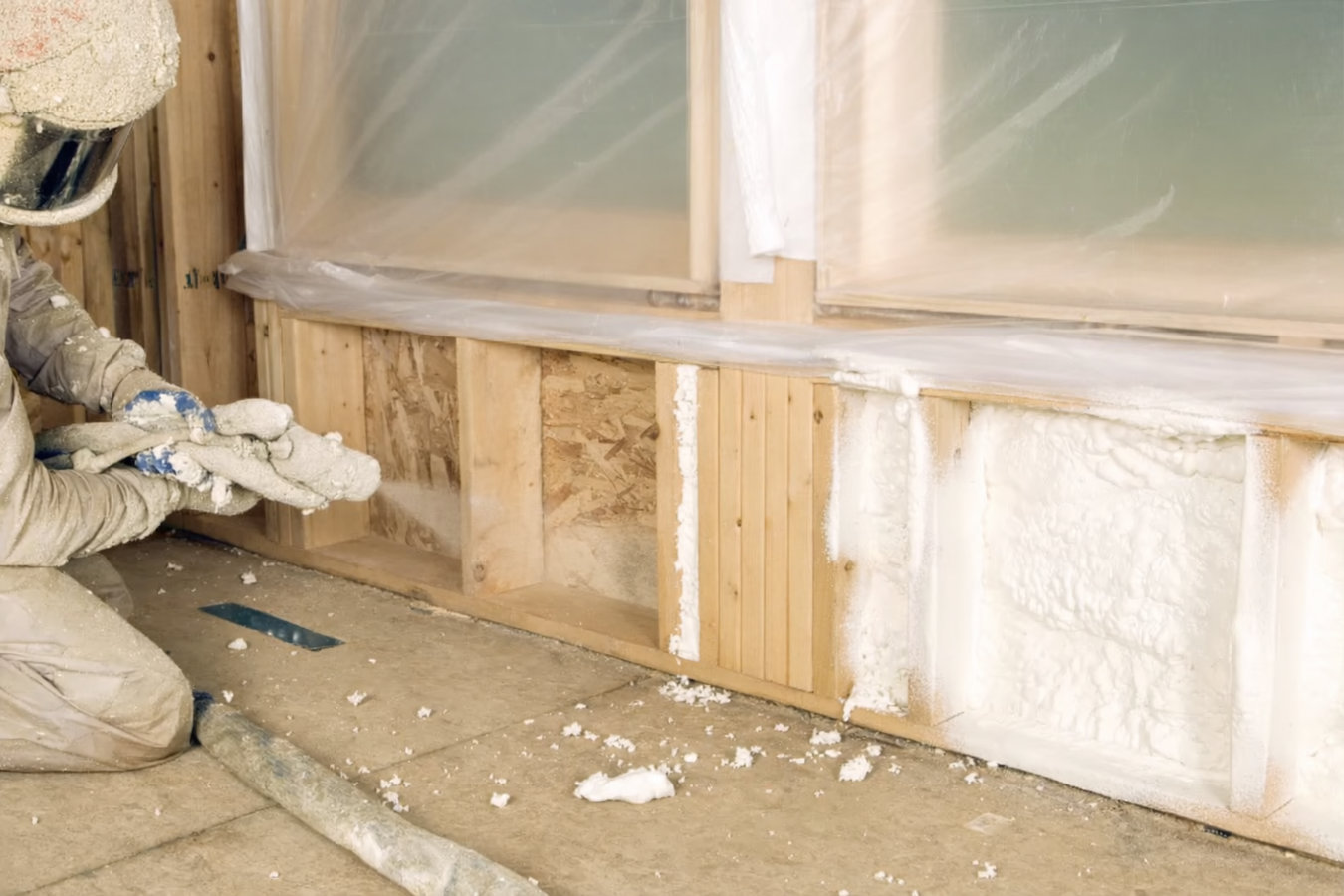
Air sealing in Kapolei means locating every gap, crack, and opening where outside air enters your home - or your cooled air escapes - and closing them with foam, caulk, or specialized tape. Most residential projects take one full day, and the biggest gains almost always come from sealing the attic floor, where superheated west Oahu attic air pours into living spaces through every unsealed gap around lights, wires, and pipes.
Most of the air leaking in or out of a Kapolei home does not come through the walls themselves - it comes through hidden spots: recessed lights, electrical outlets, attic hatches, and where plumbing and wiring penetrate the ceiling. These are not places most homeowners ever look, which is why a professional assessment makes a real difference. Air sealing works best alongside attic air sealing and insulation upgrades, though it delivers measurable results on its own.
The work is quiet, clean, and non-disruptive. You can stay home while we work. There is no curing period, no odor that lingers, and no areas of your home that are off-limits once the crew is done.
If your Hawaiian Electric bill has been creeping up year over year and you have not added appliances or changed how you use your AC, air leaks are one of the most common culprits. In Kapolei, where electricity rates are already high, even a moderately leaky home can add hundreds of dollars a year to your cooling costs. This is one of the clearest signals your home envelope needs attention.
If a bedroom or the back of the house always feels hotter than the rest, even with the AC running, hot attic air may be finding its way into that space through ceiling gaps. In west Oahu's intense sun, attic temperatures can be extreme, and small gaps let that heat pour directly into your living areas. A room that never quite cools down is worth investigating before summer peaks.
Hawaii's outdoor air carries a lot of moisture, and when that air seeps through gaps it can condense on cooler interior surfaces and create conditions where mold and mildew grow. If you notice a musty smell that does not go away, or moisture collecting on interior walls or window frames, air infiltration may be contributing. This is worth checking, especially in homes near the coast or in lower-lying parts of Kapolei.
Hold your hand near an electrical outlet on an exterior wall, or near a recessed light in the ceiling on a warm afternoon. If you feel warm air moving through, those are active leak points. This is a simple test any homeowner can do themselves, and it is one of the most direct ways to confirm that outside air is getting in without waiting for a professional assessment.
Every air sealing project starts with a thorough home assessment. We use a blower door test - a large fan temporarily mounted in your doorway that pressurizes your home and reveals exactly where air is escaping - to build a clear map of your leak points before any sealing begins. From there, we work attic-first: sealing the attic floor, top plates, and every penetration through the ceiling. We also address attic air sealing as a standalone service for homeowners focused specifically on that zone.
After sealing, we re-run the blower door test to confirm the leaks are actually closed - not just assumed to be. That before-and-after verification is what separates a thorough job from one that only looks like a thorough job. We can also pair air sealing with basement insulation and other insulation upgrades when a full-envelope approach makes sense for your home. If you are applying for a Hawaiian Electric rebate, we provide the documentation you need to submit your claim at the end of the project.
Best for Kapolei homeowners who want a complete picture of where air is leaking and the biggest possible impact on energy costs in one project.
Right for homes where the ceiling and attic floor are the primary entry point for hot west Oahu attic air - the highest-impact zone in most Kapolei houses.
Ideal before and after any sealing project to measure actual leakage and confirm the work achieved real results, not just assumed ones.
Suited to homeowners upgrading both at once - sealing gaps first, then adding insulation on top, which is the most cost-effective sequence for full-envelope performance.
Kapolei sits on the dry, sunny west side of Oahu where summer temperatures regularly climb into the upper 80s and trade winds do not arrive with the same regularity they do on the windward coast. That means your air conditioner is working almost every day of the year, and every gap in your home's envelope is letting hot, humid outside air replace the cool air you just paid to create. West Oahu attics can reach temperatures well above 130 degrees on a sunny afternoon - and that superheated air finds every unsealed gap in the ceiling to pour through. Air sealing the attic floor is often the single highest-impact step we take in a Kapolei home, and it is also one of the least obvious to a homeowner who has never seen what is happening up there.
Kapolei was largely developed from the 1990s onward, and much of the housing stock is relatively modern - but do not assume newer means tighter. Homes from that era were built under standards that prioritized ventilation over air tightness, leaving large numbers of recessed lights, open soffits, and unsealed attic penetrations that allow significant air exchange. We see this repeatedly in subdivisions across the area. We serve homeowners throughout the west side, including Ewa Gentry and Waipahu, where the same construction patterns and leeward climate conditions apply.
We ask a few basic questions - the size of your home, when it was built, and what is prompting you to call. This helps us estimate how long the job will take and whether we need any specialized equipment. We respond within one business day and can typically schedule an initial visit within a week or two.
We walk through your home and run a blower door test - a temporary fan setup that pressurizes the house and reveals exactly where air is escaping. The assessment usually takes one to two hours and gives both you and our crew a clear map of where to focus the sealing work.
After the assessment we provide a written estimate explaining what we found, what we recommend sealing, and what it will cost. We explain the priority areas - usually the attic floor and ceiling penetrations - and let you decide whether to address everything at once or start with the highest-impact areas. There is no pressure to proceed after the estimate.
On the day of the job, the crew works primarily in the attic and around ceiling fixtures using foam and caulk. The work is quiet - more like a repair job than a renovation. Most homes are completed in a single day. A thorough contractor re-runs the blower door test after sealing to confirm results. If you are applying for a Hawaiian Electric rebate, we provide the required documentation at this stage.
Free estimate. Blower door test included. Written quote before any work starts.
(808) 556-0435A blower door test at the start of the job identifies every significant leak point, not just the ones you can see. Running the same test after sealing confirms that the gaps are actually closed. You get real numbers showing how much tighter your home is - not just a contractor's word that it went well.
In west Oahu, the attic floor is almost always where the biggest gains are. We prioritize that zone because it directly addresses the superheated air that pours into living spaces through every unsealed ceiling penetration. This is specific knowledge from working in Kapolei's climate, not a mainland playbook applied here.
We provide the documentation Hawaiian Electric requires for qualifying rebate claims, and we can tell you upfront whether your project is likely to be eligible. Skipping the pre-approval step is the most common reason homeowners miss out on rebates they could have received. Learn more at Hawaiian Electric.
Air sealing done correctly follows established home performance standards, not just contractor judgment. We work to guidelines set by recognized industry bodies and encourage any homeowner considering this work to review the Building Performance Institute and the U.S. Department of Energy guidance on air sealing.
Our combination of blower door testing, attic-first priorities, and rebate documentation support reflects how air sealing should actually be delivered in a hot-humid west Oahu climate - not how it is done in states with different needs. Every project ends with a walkthrough and your results in hand.
Insulate below-grade or raised spaces to round out your home's thermal envelope from the bottom up.
Learn MoreFocused sealing of the attic floor and ceiling penetrations - the highest-impact zone in most Kapolei homes.
Learn MoreAir sealing pays back faster in Kapolei than almost anywhere else in the country - reach out today for a free, no-obligation estimate.