
Loading...
Serving Kapolei, HI and surrounding areas. (808) 556-0435
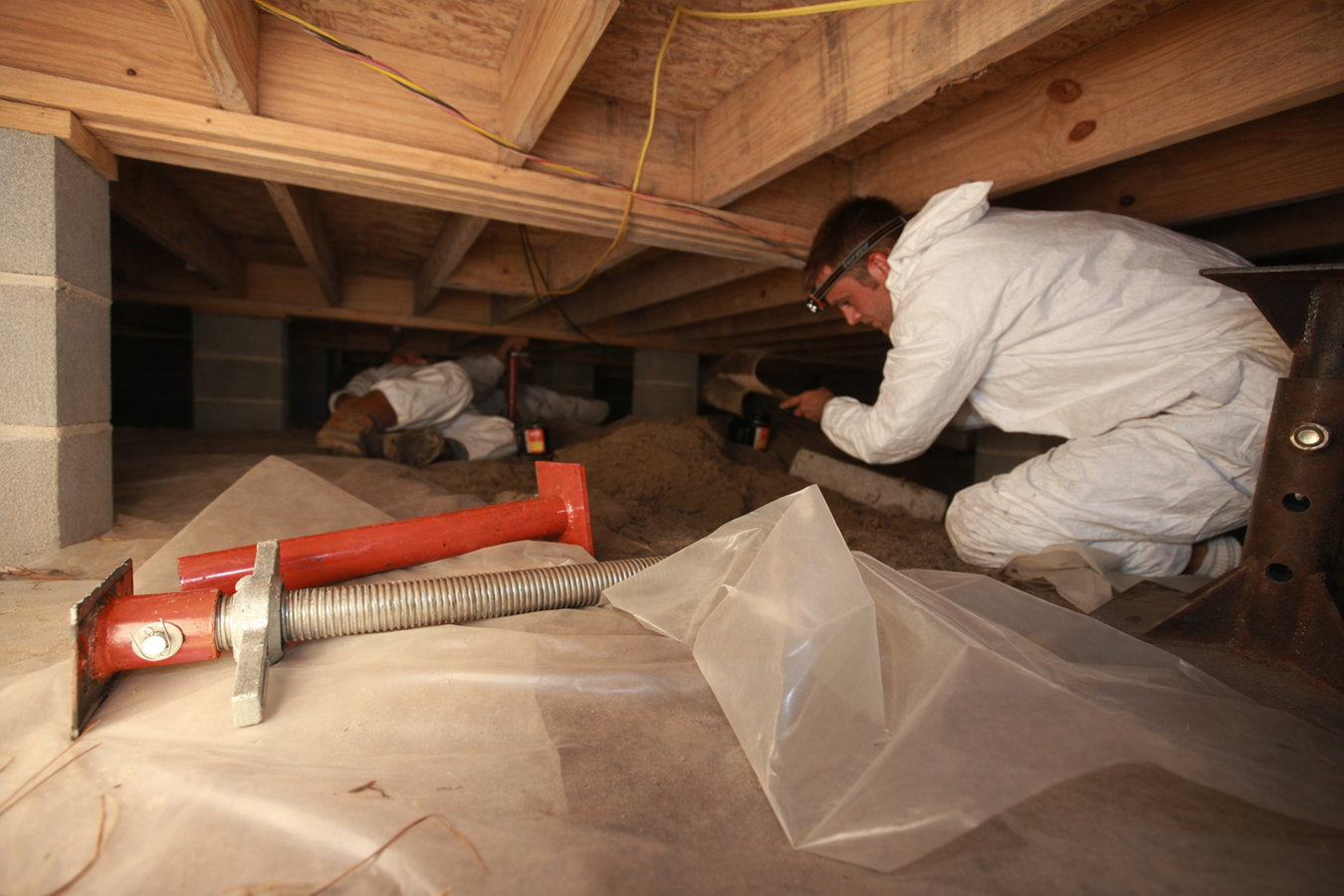
Kapolei's year-round humidity pushes moisture up through your floors and into your home's framing every day. A properly installed vapor barrier blocks it before it causes damage you cannot see.
Vapor barrier installation in Kapolei places heavy plastic or foil-backed sheeting between the soil and your home's structure, blocking moisture from moving through the ground and into your floors, walls, and framing, with most residential jobs completed in one to two days and protection that starts working immediately.
In most mainland climates, moisture protection is a seasonal concern - something homeowners worry about in spring or after a heavy storm. In Kapolei, the ground under your home is releasing vapor on a warm, still December afternoon just as it does in August. The trade winds that cool and dry out parts of Oahu do not reach the leeward west side with the same consistency, so moisture that gets under your home tends to stay there. For homeowners in Kapolei's planned subdivisions - many of which were built between 1990 and 2010 - the original moisture protection may be past its useful life without anyone having noticed.
Vapor barrier installation often works best as part of a broader moisture management approach. Homes with crawl space access may benefit from pairing a floor-level barrier with a dedicated crawl space vapor barrier installation, while homes with ongoing air leakage issues may also benefit from attic air sealing to address moisture movement from above as well.
If your home has a damp, earthy odor when you first open it up - particularly in rooms near the floor - that is often a sign moisture is moving up from below. In Kapolei's humid climate, this smell can develop gradually and get mistaken for general stuffiness. It is one of the most reliable early warnings that moisture is building up somewhere it should not be.
When moisture gets into the wood framing or subfloor beneath your feet, it can cause the material to swell, soften, or begin to break down. You might notice a slight give when you walk across certain spots, or a section of floor that feels different from the rest. In Kapolei homes - especially those built in the 1990s and early 2000s - this is worth investigating before the damage spreads.
Mold needs moisture to grow, and it tends to appear first at the lowest points of a room - baseboards, the bottom of drywall, or items stored on the floor. Hawaii's warm temperatures mean mold can establish itself faster here than in cooler climates. Dark spots or a powdery coating at floor level are a direct signal that moisture from below is accumulating.
If a termite inspector noted elevated moisture readings or active termite pressure under your home, that is a direct signal that conditions are favorable for ongoing damage. In Kapolei, where termite activity is among the highest in the country, a moisture problem and a pest problem often go hand in hand. Addressing the moisture source is a key part of making any pest treatment last.
Vapor barrier work is not one-size-fits-all, and the right approach depends on your home's foundation type and the specific moisture problem you are dealing with. For homes with a crawl space, we lay heavy sheeting across the entire ground surface, overlap and seal every seam with tape rated for the humid, coastal conditions of Kapolei, and anchor the edges along the foundation walls so moisture cannot come in around the perimeter. Thickness matters here - thinner barriers tear more easily, especially in crawl spaces where plumbers or pest control crews may need to enter. We use heavier, puncture-resistant material because a barrier that gets torn in year two is a barrier that stops working.
For slab-foundation homes - which are common in Kapolei's planned subdivisions - vapor protection focuses on the slab edge and interior moisture management. If you are bundling this with other work, such as crawl space vapor barrier installation or a full insulation upgrade, scheduling both at once saves a second trip and reduces overall labor cost. We assess your home's specific situation before recommending anything, because the last thing we want is to install a barrier over an unaddressed drainage problem.
For homes with a crawl space foundation - full ground coverage with sealed seams and foundation wall anchoring to block soil moisture.
For Kapolei slab-foundation homes where original under-slab protection may have degraded over decades of use.
Pairs vapor barrier installation with crawl space or floor joist insulation for homeowners addressing both moisture and heat transfer at once.
Kapolei sits two to four miles from the Pacific coastline, and salt air is a constant presence. Salt accelerates corrosion in metal fasteners, degrades certain adhesive tapes, and can compromise barrier materials that were not designed for coastal environments. A vapor barrier installed with standard mainland-spec materials in this area may perform fine for a few years and then start failing at the seams as the tape loses adhesion. That is why specifying materials rated for salt-air conditions matters here in a way it would not matter in, say, Phoenix or Denver. Homeowners in Ewa Beach face the same coastal material challenges, and the right product selection is just as important there.
Hawaii also has some of the highest termite pressure in the United States, and moisture under a home is one of the key conditions that draws both subterranean and drywood termite species. A properly installed vapor barrier removes that moisture, which means it is doing double duty - protecting your framing from rot and making your home less attractive to pests at the same time. Many homeowners in communities like Ewa Gentry coordinate vapor barrier installation with their pest control provider to address both issues together. The University of Hawaii's College of Tropical Agriculture and Human Resources has published research on Hawaii's termite species and the conditions that drive activity - moisture control is consistently cited as a key prevention factor.
We ask what type of foundation your home has, whether you have noticed specific problems, and how accessible the area is. We respond within 1 business day and schedule an on-site visit within a few days - no phone-only estimates.
We inspect the space in person, check existing material, and identify any drainage or ventilation issues that need to be resolved before the barrier goes in. You receive a written quote - not a range, not a guess.
The crew lays barrier material across the entire ground surface, overlaps every seam, seals with heavy-duty tape, and anchors edges along the foundation walls. Most Kapolei homes are completed in one day.
Before leaving, we show you photos of the finished installation so you can confirm coverage without having to enter the crawl space yourself. You receive a summary of what was installed and anything the crew noted.
No pressure, no obligation. We assess your home in person and give you a clear written quote before any work begins.
(808) 556-0435Kapolei sits two to four miles from the coastline, and salt air accelerates how quickly certain adhesives and standard materials break down. We use sheeting and seam tapes rated for coastal environments so the barrier holds up in conditions that would degrade cheaper materials within a few years.
A vapor barrier installed over a drainage problem will fail. We identify standing water, grading issues, and any ventilation concerns before the plastic goes down. That pre-installation assessment is what separates a barrier that lasts 20 years from one that fails in three.
We handle permit applications where required and coordinate the inspection with the City and County of Honolulu. You receive documentation of the completed work, so your project stays on record if you ever sell or refinance.
Hawaii has among the highest termite pressure in the country, and moisture under a home is one of the main attractants. We install with pest activity in mind - sealing edges so rodents and insects cannot easily undermine the barrier - and are happy to coordinate timing with your pest control provider.
Every one of these factors - material selection, drainage assessment, permit handling, and pest awareness - matters more in Kapolei than it would in most mainland markets. A contractor who does not account for Hawaii's specific coastal and pest conditions is not giving you a complete solution, just a quick one.
For moisture control guidance, the EPA Indoor Air Quality resource provides authoritative guidance on moisture management in homes.
Seal the gaps in your attic floor that let humid air move freely between your living space and the attic above.
Learn MoreDedicated crawl space ground covering for homes where soil moisture is the primary moisture entry point.
Learn MoreKapolei's humidity works against your home every day - let's get the barrier in before moisture damage adds up. Call (808) 556-0435 or request your free estimate online now.