
Loading...
Serving Kapolei, HI and surrounding areas. (808) 556-0435
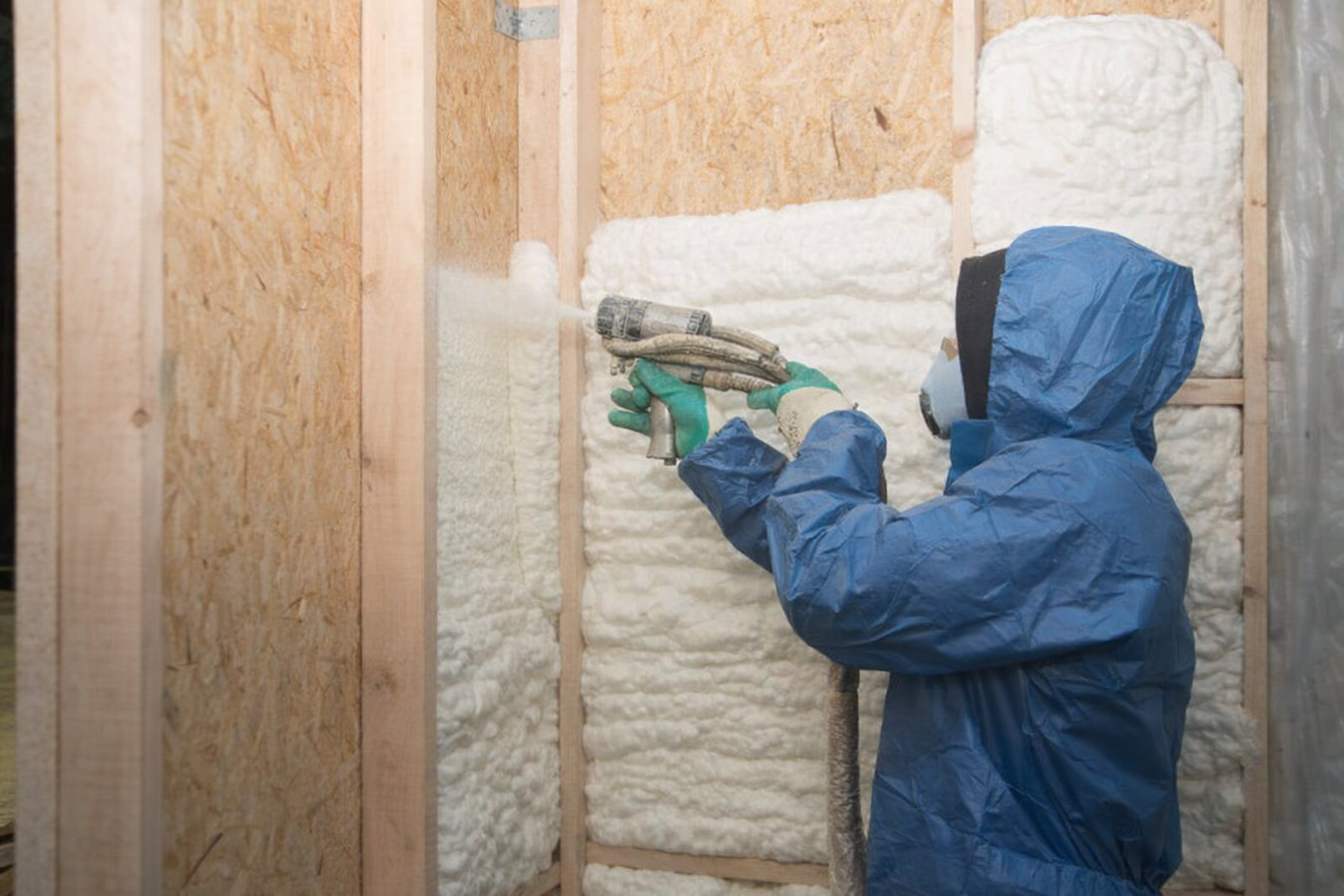
Kapolei Insulation serves Nanakuli with spray foam insulation, attic insulation, and blown-in insulation for the community's single-family homes, many built on Hawaiian Home Lands in the 1960s through 1980s - and our team responds to new inquiries within 1 business day.
Nanakuli sits on Oahu's leeward coast, where the sun hits rooftops and west-facing walls with almost no shade for most of the day. Closed-cell spray foam insulation applied to the underside of the roof deck addresses that heat load directly, creating a tight barrier that keeps the attic from acting as a furnace above your living space. For concrete block homes common in this neighborhood, it also seals gaps where conditioned air escapes around wall penetrations.
Many homes in Nanakuli were built on Hawaiian Home Lands in the 1960s and 1970s with insulation levels that have never been updated. After 40 to 60 years of leeward coast heat and humidity, that original material has compressed significantly below its rated R-value. Bringing attic insulation up to current levels is one of the highest-return upgrades available for homes of this age, and the improvement in cooling costs is typically noticeable within a few billing cycles.
For Nanakuli attics where the existing framing is still sound, blown-in cellulose or fiberglass is a practical way to add R-value without a full tear-out. It fills around trusses and joists evenly, and most single-family homes in the community can have blown-in completed in a single day. This is especially effective in homes where original insulation has compressed but not yet become a moisture problem.
Older homes in Nanakuli frequently have unsealed penetrations around recessed lights, plumbing stacks, and wall top plates - gaps that allow hot outside air to bypass any insulation present and circulate through the structure. Sealing those entry points is what allows insulation to work at its rated value rather than fighting constant air movement from outside. In a climate where cooling runs year-round, unsealed gaps are a direct, ongoing expense.
When Nanakuli's normally dry leeward climate does receive heavy rain - which can come fast during Kona wind events and flash flooding - moisture moves quickly through soil and can work up into crawl spaces beneath homes. A vapor barrier installed across the crawl space floor stops that moisture cycle at the source and protects floor framing and insulation from the ground moisture that follows heavy rainfall on this side of the island.
Nanakuli's Hawaiian Home Lands housing stock was built with materials and standards that predate today's energy code by decades. Retrofit insulation upgrades are designed for exactly this situation - adding or replacing insulation in an occupied, finished home without the disruption of a full renovation. Many owners of these long-held family homes find that a targeted retrofit delivers a meaningful and lasting reduction in monthly cooling costs.
Nanakuli is on the leeward side of Oahu, which means drier weather and more direct sun than most of the island. Afternoon temperatures in the mid-80s to low 90s are normal most of the year, and homes here do not get the natural cooling benefit of consistent trade wind shading. A large share of Nanakuli's housing stock was built on Hawaiian Home Lands in the 1960s through 1980s using concrete block construction, which was durable but not particularly energy-efficient by today's standards. After 40 to 60 years, original insulation in those homes has compressed well below its rated value, and the combination of aging materials and intense sun creates a real ongoing cost for homeowners running air conditioning year-round. Hawaii's residential electricity rates - among the highest in the country - make that gap between rated and actual performance show up on every monthly bill.
Salt air from the Pacific coast reaches into Nanakuli continuously and accelerates the breakdown of roofing materials, caulk, and the flashing around roof penetrations. When those components fail, gaps open up where conditioned air escapes and moisture enters attic spaces - a cycle that degrades insulation faster than heat alone would. The community also sits at the base of the Waianae mountain range, which means flash flooding from heavy rain events can push moisture under doors and through cracks in concrete block walls. An insulation contractor who understands these conditions will plan for vapor management alongside R-value, not just the thermal improvement alone.
Our crew works throughout Nanakuli regularly, and we understand the local conditions that affect insulation work here. We pull permits through the City and County of Honolulu Department of Planning and Permitting for projects that require them, and we are familiar with the Hawaiian Home Lands properties that make up a significant share of Nanakuli's residential areas - including the concrete masonry unit construction style that is standard throughout the neighborhood. CMU homes need a different approach than wood-frame construction, and we come prepared for what we typically find here rather than figuring it out on arrival.
Nanakuli is accessible via Farrington Highway along the leeward coast, and we plan our schedules around typical traffic conditions on that route. The community sits between the Pacific Ocean and the base of the Waianae mountain range, and whether a home is near Nanakuli Beach Park or up toward the higher streets that back against the ridge, we serve the full community. We also work regularly in Makakilo and other leeward communities - if you have family or neighbors nearby who need the same work, we cover that ground routinely.
Concrete block homes in Nanakuli require specific techniques for insulation work that differ from the wood-frame approaches common in newer subdivisions. We also work in Waipio and other central Oahu communities, so our crews stay familiar with the range of construction types found across the west side of the island. Every job in Nanakuli starts with a thorough assessment so we understand what your specific home is dealing with before recommending a solution.
Contact us by phone or through the online form. We respond to every new inquiry within 1 business day and schedule a time that works for your household - you do not need to take time off work to make the first call.
A crew member comes to your home and inspects the areas where insulation work is planned - typically the attic, crawl space, or walls. We check the current insulation depth and condition, look for air leakage points, and give you a written estimate before any work begins. This is also when we discuss cost and address any questions about the scope.
Most residential jobs in Nanakuli are finished in a single day. If spray foam is being applied, the home should be unoccupied for about 24 hours while it cures. Blown-in and other types allow re-entry sooner. We clean up and walk you through what was done before we leave.
After the job is complete, we are reachable if you notice anything unexpected or have questions about what was installed. For permitted projects, we coordinate the inspection so you do not have to manage that process on your own.
We serve Nanakuli and the surrounding leeward communities. Call or send a message and we will get back to you within 1 business day.
(808) 556-0435Nanakuli is a small, tightly knit community on the western leeward coast of Oahu, about 25 miles from downtown Honolulu. The community sits along Farrington Highway between the Pacific Ocean and the Waianae mountain range, and it has one of the highest concentrations of Native Hawaiian residents of any community in Hawaii. A significant portion of the residential land falls within the Hawaiian Home Lands program, where homesteaders hold long-term leases on state land. Families here have often lived on the same properties for generations, and owner-occupancy rates are high because Hawaiian Home Lands leases are restricted to Native Hawaiian beneficiaries. That long-term ownership means homeowners invest in their properties seriously - they plan to stay.
The housing stock in Nanakuli is made up almost entirely of single-family homes, most built in the 1960s through 1980s using concrete block construction. Nanakuli Beach Park is a central gathering place for the community, and the streets that run from the coast up toward the Waianae ridge define the neighborhood's layout. The area is quieter and more residential than the Kapolei and Ewa corridor, and the drive out via Farrington Highway keeps it somewhat separate from the denser growth on the rest of Oahu's west side. We also serve homeowners in nearby Kapolei and Ewa Beach, so if you know someone on that side of the island who needs insulation work, we cover those areas regularly as well.
Seal gaps and boost energy efficiency with durable spray foam insulation.
Learn MoreFast, thorough coverage that fills every corner of your existing structure.
Learn MoreSafe removal of old or damaged insulation to prepare for fresh installation.
Learn MoreProtect your floors and foundation from moisture and temperature loss.
Learn MoreStop drafts and energy waste by sealing air leaks throughout your home.
Learn MoreKeep basement spaces dry, comfortable, and energy-efficient year-round.
Learn MoreHigh-density foam delivering superior moisture resistance and R-value.
Learn MoreLightweight, sound-absorbing foam ideal for interior walls and attics.
Learn MoreProfessional insulation for offices, warehouses, and commercial buildings.
Learn MoreBlock ground moisture from damaging your crawl space and structure.
Learn MoreProtect walls and floors from moisture with professionally installed barriers.
Learn MoreWhether your home is a block from Nanakuli Beach Park or up near the Waianae ridge, we know this community and we are ready to help. Call or send a message and we will get back to you within 1 business day.