
Loading...
Serving Kapolei, HI and surrounding areas. (808) 556-0435
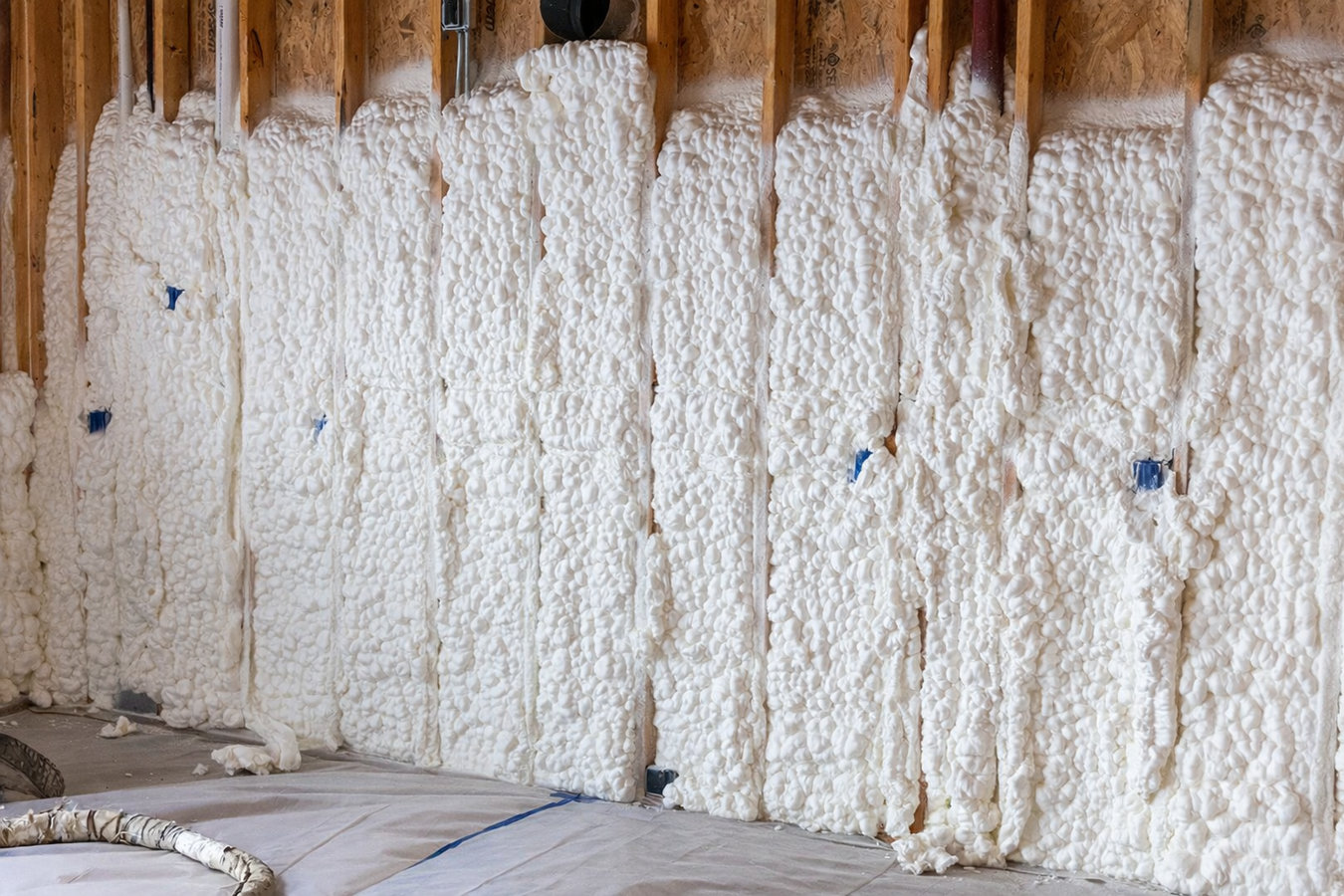
Kapolei's heat and salt air find every gap in your home. Closed-cell foam seals and insulates in one step so your AC finally keeps up and your indoor air stays dry.
Closed-cell foam insulation in Kapolei is a spray-applied, rigid foam that seals air gaps and insulates in a single layer - most residential attic or crawl space jobs take one to two days, and you need to plan to be out of the home for roughly 24 hours after the foam is applied.
Unlike batts or loose-fill materials that only slow heat movement, closed-cell foam cures into a dense, airtight barrier that stops hot air and humid air from entering together. That dual function is especially valuable in Kapolei, where the leeward heat is intense and the air carries salt moisture year-round. Many homes built here during the 1990s and 2000s were constructed with minimal insulation - meaning there are real efficiency gains available even in homes that are only 20 to 30 years old. Closed-cell foam is one of the fastest ways to address both heat gain and moisture intrusion at the same time, especially in attics and crawl spaces.
Closed-cell foam is one type within the broader category of spray foam insulation. Homeowners who want to understand how it compares to the softer, lower-cost option can read about open-cell foam insulation - both serve Kapolei homes well depending on the application.
If your air conditioner never seems to get the house to a comfortable temperature - especially during Kapolei's hot, sunny afternoons - that is often a sign that conditioned air is escaping and hot outdoor air is getting in. On the leeward side of Oahu, where direct sun is intense, a poorly sealed home forces your AC to work far harder than it should. If your electric bill has been climbing without explanation, air leakage is one of the first things worth investigating.
Humidity that seeps in through gaps in your walls, attic, or crawl space can make your home feel damp and uncomfortable even when the thermostat says it should be cool. In Kapolei's humid climate, this is a common complaint in homes that lack proper air sealing. If certain rooms always feel heavier or stuffier than others, that is a signal worth paying attention to.
Take a flashlight into your attic on a bright day. If you can see pinpoints of light coming through the roof deck or around where pipes and wires enter the space, air is moving freely in and out of your home. Even small gaps add up to significant energy loss over time, and they are exactly what spray foam is designed to seal.
Salt air and humidity in coastal Oahu create conditions where moisture can accumulate in hidden spaces over time. If you have spotted dark staining, a musty smell, or visible moisture on wood surfaces in your attic or under your floor, that is a sign that humid air is getting in and sitting there. Closed-cell foam applied in those areas can stop the moisture source and help protect the wood structure underneath.
Closed-cell foam works best in locations where both heat resistance and moisture control matter - attic roof decks, crawl space walls, the underside of elevated floors, and exterior wall cavities in renovation projects. We assess the area before any foam goes down, checking for existing moisture or mold that would need to be addressed first. The foam is sprayed in controlled passes and cures within seconds, expanding to fill gaps that batts or loose fill would leave open. Because it is rigid once cured, it also adds structural stiffness to the surfaces it bonds to - a useful property on the underside of a roof deck in a climate where hurricane wind uplift is a real consideration. Homeowners interested in the full range of spray foam options can review our spray foam insulation page for an overview.
For homeowners comparing foam types, the key difference is density and moisture resistance. Closed-cell foam is denser, harder, and acts as its own vapor retarder. It is the better choice for exterior walls, roof decks, and under-floor applications in Hawaii's humid environment. For interior applications where the goal is primarily sound dampening or a lower-cost attic top-up, open-cell foam insulation may be a more cost-effective fit. We review both options with you during the site visit so you are not paying for more than your home actually needs.
Suited to homes where creating an unvented attic assembly reduces heat gain and eliminates the need for traditional attic ventilation.
For homes with accessible crawl spaces where a single material needs to insulate, seal air gaps, and resist moisture simultaneously.
Appropriate for renovation projects where wall cavities are open and closed-cell foam can be applied before new wall finishes go up.
A targeted treatment for the perimeter of the foundation where air infiltration and heat transfer are often highest in Hawaii slab homes.
Kapolei sits on the leeward side of Oahu, where temperatures in the upper 80s are common and the air carries salt moisture from the ocean on three sides. That combination pushes warm, humid air through every gap in a home's structure - around pipes, through unsealed roof deck joints, and along the top of foundation walls. Closed-cell foam addresses all three entry points at once because it expands to fill irregular gaps and cures into a continuous barrier with no seams. Many homes in the planned subdivisions built from 1990 onward were constructed with minimal insulation, reflecting Hawaii's historically lower energy code requirements compared to cold-climate mainland states. Homeowners in Ewa Beach and other leeward communities face identical conditions and often benefit from the same solution.
The coastal location also matters for long-term durability. Salt air corrodes metal fasteners and degrades building materials faster than in inland climates, and wood surfaces in attics and crawl spaces are especially vulnerable to moisture accumulation. Closed-cell foam does not absorb moisture, does not provide food for mold, and does not degrade the way fiberglass batts can in a humid environment - which means a well-installed job should last for decades without replacement. Homeowners in communities like Nanakuli - where coastal exposure is even more direct - find this durability particularly valuable. For homeowners interested in Hawaii Energy rebates that may apply to insulation upgrades, the Hawaii Energy program is worth reviewing before scheduling your project.
We will ask a few basic questions - what part of your home you want insulated, whether you have had any work done before, and what is prompting the call. We reply within one business day and schedule a site visit before giving you any estimate.
A contractor comes to your home, measures the areas to be treated, checks for moisture or structural issues, and walks you through the findings. After the visit you receive a written estimate that breaks out materials and labor - not just a total number.
Depending on where the foam is applied and whether your project is part of a larger renovation, a building permit may be required by the City and County of Honolulu. We handle that step and coordinate any required inspections so the work is documented and protected.
Installation day requires you and your family to be out of the home. The crew sprays the foam in controlled passes, cleans up, and walks you through the finished work before leaving. You can return home roughly 24 hours after spraying is complete, once the foam has fully set.
Free estimate, no obligation. We assess your home, explain the options, and give you a written quote before any work begins.
(808) 556-0435Installing closed-cell foam over a surface that already has moisture behind it traps the problem inside the structure. We check for existing moisture and mold before any application starts - and if something is found, we tell you what needs to happen first rather than covering it up.
The U.S. EPA and the Spray Polyurethane Foam Alliance both provide guidance on safe re-occupancy after foam application. We follow those guidelines and give you a specific return time before the crew arrives - so you can plan ahead rather than be surprised on the day of the job.
When a permit is required, we pull it through the City and County of Honolulu and coordinate the inspection. You receive documentation covering the materials used and the work completed - paperwork that matters when you sell the home or make an insurance claim.
Kapolei and the surrounding leeward communities have a specific housing type - mostly slab-on-grade or shallow crawl space construction from the 1990s and 2000s, built to Hawaii's lighter insulation requirements. We know what to look for in these homes and what materials actually perform in this climate rather than what looks good on a mainland spec sheet.
Working in a smaller contractor market like Oahu means reputation matters more than it does in a large mainland city. We stand behind the work we do with written estimates, documented materials, and a walkthrough before we leave the job.
A softer, lower-cost spray foam suited to interior applications where moisture resistance is less critical than thermal performance.
Learn MoreAn overview of all spray foam options for Kapolei homes, covering where each type is most effective and how to choose between them.
Learn MoreOur crews are booking spray foam jobs on the west side of Oahu now. Call or message us and we will come out within the week.