Loading...
Serving Kapolei, HI and surrounding areas. (808) 556-0435
Hawaii's electricity rates are the highest in the country, and Kapolei's west-side sun makes a poorly insulated building expensive to cool. We insulate commercial spaces to cut your costs and keep your building comfortable - with full permit handling.
Commercial insulation in Kapolei slows heat from moving through your building's roof, walls, and floors - most small to mid-sized commercial jobs are completed in one to three days, staged so your business can keep operating in areas not being worked on.
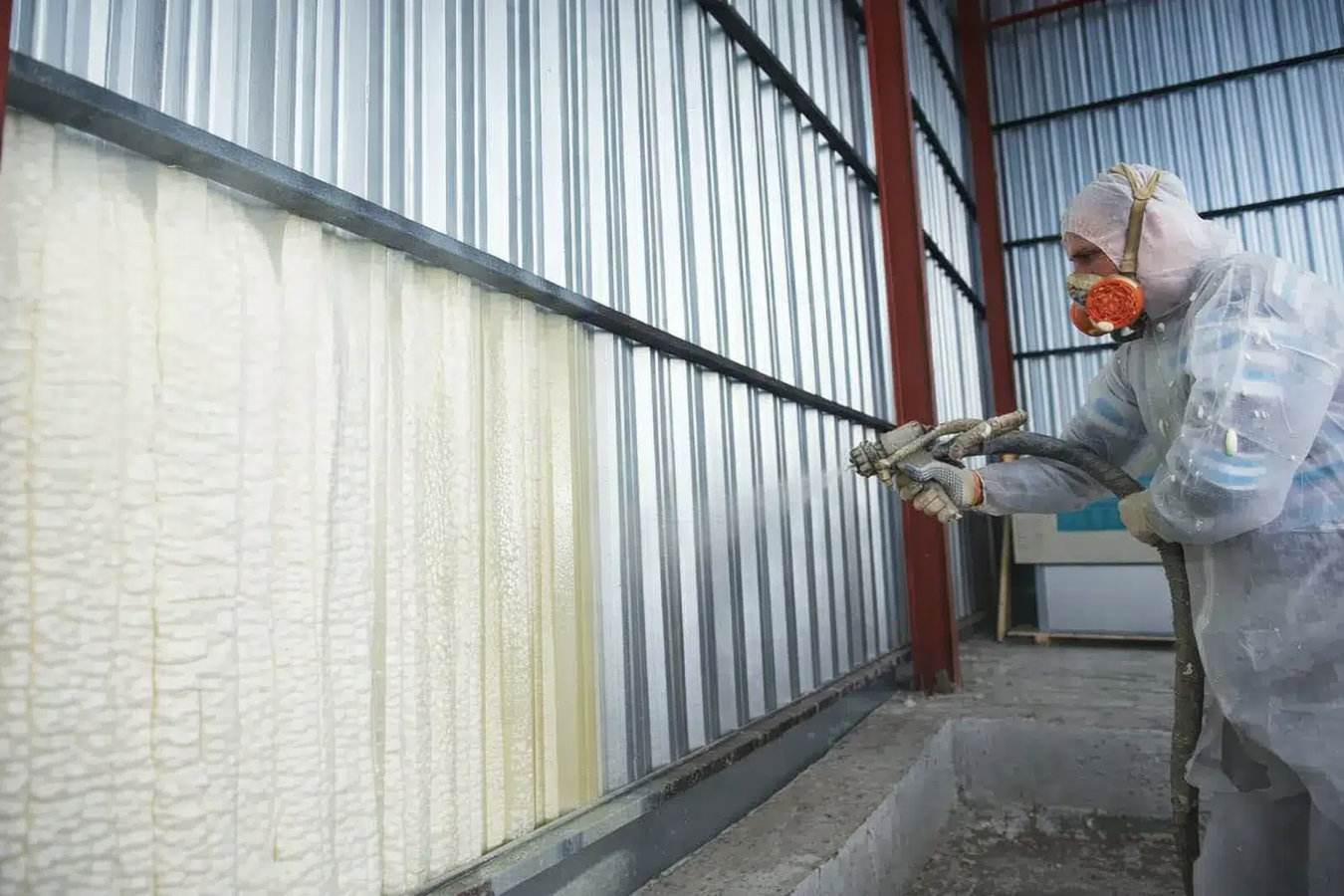
In a climate where outdoor temperatures stay warm all year and intense west-side sun hits rooftops for most of the day, insulation is not a comfort luxury - it is a direct operating cost issue. Every degree of heat that works its way through an under-insulated roof or wall is a degree your air conditioning has to remove, at Hawaii's highest-in-the-nation electricity rates. Many commercial buildings in Kapolei were constructed during the development boom of the 1990s and early 2000s, when energy codes set lower insulation requirements than what is standard today. If your building has never had an insulation assessment, there is a real chance it is costing you more to cool than it should. For businesses also looking at humidity and moisture control, our crawl space vapor barrier service addresses moisture intrusion from below, while spray foam insulation covers roof deck and wall assembly applications where a single material needs to insulate and air-seal at the same time.
Commercial insulation in Hawaii also comes with permit requirements that differ from residential work. A county inspector reviews and signs off on the job, which means permitted work is on record and protects you legally if you ever sell, refinance, or file an insurance claim on the property.
Kapolei sits on the leeward side of Oahu, where west-facing rooftops and walls absorb intense afternoon sun with limited trade wind relief. If your cooling system runs nearly continuously without ever reaching a comfortable temperature, heat is almost certainly entering faster through a poorly insulated roof or walls than your system can remove it. This is one of the most consistent signs that insulation is either missing, damaged, or no longer performing.
Hawaii commercial electricity rates are among the highest in the country, so any unexplained increase in your monthly bill is worth investigating quickly. If your equipment, occupancy, and hours have not changed but your bill keeps going up, degraded or inadequate insulation forces your HVAC system to work harder - and that extra effort shows up directly on your statement. Even a modest improvement in insulation performance can produce noticeable savings at Hawaii's rates.
If one room or section of your building is consistently warmer than the rest - especially spaces directly under the roof or along exterior west-facing walls - the insulation in that area is likely missing, thin, or damaged. This kind of temperature variation is common in buildings that have been renovated or added onto over time, where new sections may not have been insulated to the same standard as the original structure.
Kapolei's proximity to the coast means buildings are exposed to salt-laden air and persistent humidity year-round. When insulation absorbs moisture, it loses its heat-blocking ability and can become a source of mold inside wall cavities. If you notice staining on interior walls or ceilings, a persistent musty smell after cleaning, or visible mold near exterior surfaces, moisture has likely worked into the wall assembly and the insulation there needs to be assessed.
Commercial insulation work varies more than residential - building type, roof assembly, wall construction, and how the space is used all affect which materials and methods are appropriate. We start every job with a walkthrough assessment, looking at the areas most likely to be underperforming: the roof deck, exterior walls, mechanical spaces, and any areas that have been renovated or added onto. We explain what we find in plain terms and give you a written estimate that separates labor from materials before any work begins. For buildings where moisture control is a priority alongside thermal performance, we can combine insulation with crawl space vapor barrier work in a single project. Buildings where the primary need is a roof deck or wall assembly that both insulates and air-seals are well suited to spray foam insulation, which we apply to commercial structures throughout Kapolei and west Oahu.
For smaller commercial spaces where budget is a consideration, or interior applications where moisture permeability is an asset, open-cell foam insulation may be a more cost-effective fit than closed-cell. We discuss both options during the site visit so you can make a decision based on your building's actual conditions and your operational priorities - not just what is easiest to apply. Hawaii's permit process is handled by us from application through inspection sign-off.
Suited to commercial buildings where the roof is the primary heat entry point - the most impactful single improvement for Kapolei's sun-exposed leeward rooftops.
For buildings where west-facing or south-facing walls are absorbing afternoon heat, wall insulation combined with air sealing can meaningfully reduce heat gain and HVAC load.
For buildings where ductwork or mechanical equipment runs through unconditioned spaces - addressing this area reduces energy loss and extends equipment life.
For buildings being renovated or upgraded where wall and ceiling cavities are open - the most efficient time to add insulation before new finishes are installed.
Kapolei businesses face a combination of factors that makes insulation one of the highest-return building improvements available. Hawaii consistently has some of the most expensive commercial electricity in the country, and Kapolei's position on the leeward side of Oahu means less natural trade wind cooling than the windward side of the island receives. West-facing walls and low-slope rooftops absorb intense afternoon heat, and without adequate insulation that heat moves directly into your conditioned space and stays there until your cooling system removes it - at a rate your electricity bill reflects in full. Commercial buildings along the Kapolei Business Park corridor and in the communities served from there, including Pearl City and Aiea, share this same leeward sun exposure. We service commercial properties throughout the region.
Hawaii's salt air and year-round humidity add another layer of complexity for commercial buildings. Salt-laden air accelerates corrosion on metal building components and can degrade insulation materials that were not selected for coastal conditions. Fiberglass batts in particular can absorb moisture over time, which reduces their thermal performance and creates conditions for mold growth inside wall cavities. Choosing materials suited to Hawaii's coastal environment - and ensuring they are installed with proper moisture management - is a decision that has long-term consequences for your building. The North American Insulation Manufacturers Association sets installation quality standards for commercial work, and the Hawaii State Energy Office publishes the energy efficiency requirements that commercial insulation must meet to pass inspection.
Call or submit the form and we respond within one business day. We ask a few questions about your building and what you are noticing - high bills, hot spots, or a specific area of concern - then schedule a site visit. We will not quote a price without seeing the building first.
During the visit we walk through the building and look at the roof, exterior walls, and mechanical spaces. At the end we explain what we found, what we recommend, and why - in plain terms. This visit is free and is your opportunity to ask every question you have before committing to anything.
You receive a written estimate breaking down labor and materials separately. For commercial work in Hawaii, a building permit is typically required and we handle the application with the City and County of Honolulu. Permit approval can take several weeks depending on the county's current workload - we start the process as soon as you give the go-ahead so scheduling is not delayed.
Work is staged to keep your operations running where possible. After installation, the county building inspector visits to confirm the job meets Hawaii's energy code requirements. We coordinate the inspection and are present for it. You receive the permit sign-off documentation to keep on file - that record matters if you sell or refinance the property.
Get a free on-site estimate - no obligation, just a clear breakdown of what your building needs and what it will cost.
(808) 556-0435Kapolei's salt air, persistent humidity, and west-side sun exposure require different material choices than a mainland commercial project. We select and apply insulation products that are suited to Hawaii's specific conditions - not whatever is cheapest to ship or most familiar from mainland experience. That distinction shows up in how long the work holds up, not just how it looks the day after installation.
Commercial insulation work in Kapolei requires a City and County of Honolulu building permit and a final inspection. We manage the entire permit process on your behalf - application, scheduling, and inspection coordination. You do not need to navigate the permitting office or track down inspection appointments. The finished job comes with documentation you keep on file for the life of the building.
We handle the permit application through the City and County of Honolulu and coordinate the county inspection for you. You get documentation that the work was reviewed and completed properly - paperwork that protects you if you ever sell, refinance, or file a claim on the property.
We plan commercial jobs in sections so that parts of your building stay operational while other areas are being treated. Before the crew arrives, we walk through exactly what access is needed and what needs to be cleared. There are no surprises on installation day, and we clean up at the end of each work day if the job spans multiple days.
Commercial insulation is a long-term investment in your building's operating costs and structural health. Getting it done right the first time - with permitted documentation - saves you from remediation costs, inspection issues, and HVAC replacement cycles that come from work that was cut short or done without oversight.
Moisture control for the under-floor space of commercial and residential buildings - prevents humidity from migrating up through floors and into conditioned areas.
Learn MoreThe most common insulation choice for commercial roof decks and wall assemblies in Hawaii - seals air gaps and provides thermal resistance in a single application.
Learn MoreEvery month your building runs without proper insulation is another month paying Hawaii's high electricity rates unnecessarily. Call today or submit the form and we will respond within one business day.