Loading...
Serving Kapolei, HI and surrounding areas. (808) 556-0435
If your Kapolei home heats up every afternoon no matter how hard your AC runs, a poorly insulated attic is almost always the reason. Proper attic insulation stops that heat before it reaches your living space.
Attic insulation in Kapolei, HI, acts as a thermal barrier between your roof and your living space - most jobs on a single-story home are completed in four to six hours with minimal disruption to your day. Kapolei sits on the leeward side of Oahu and gets more direct sun than most of the island, which means attic temperatures can reach extreme highs by midday. Without adequate insulation, that heat has nowhere to go but down into the rooms below.
Most homes in Kapolei were built between 1990 and 2010. Even if yours is relatively new, the insulation standards from that era were lower than what is recommended today. If you have lived in your home for more than a decade and the attic has never been looked at, there is a good chance you are paying for that gap every month on your electricity bill, and a qualified attic insulation company can tell you in a single visit whether your coverage meets current standards.
If air gaps around light fixtures or the attic hatch are part of the problem, pairing new insulation with attic air sealing will deliver noticeably better results than insulation alone.
In Kapolei, the sun hits hard from midday onward. If your second floor or the rooms directly under the roof feel significantly warmer by 2 or 3 p.m. - even with the AC running - that is a strong sign your attic is collecting heat and not blocking it. This pattern is especially common in homes built before 2010 on the leeward side of Oahu.
Hawaii's electricity rates are already high, so when your bill creeps up without explanation it often means your air conditioner is working harder than it should. An overworked AC is frequently a sign that heat is entering your home through the attic. If your bill has gone up noticeably over the past year or two, the attic is one of the first things worth checking.
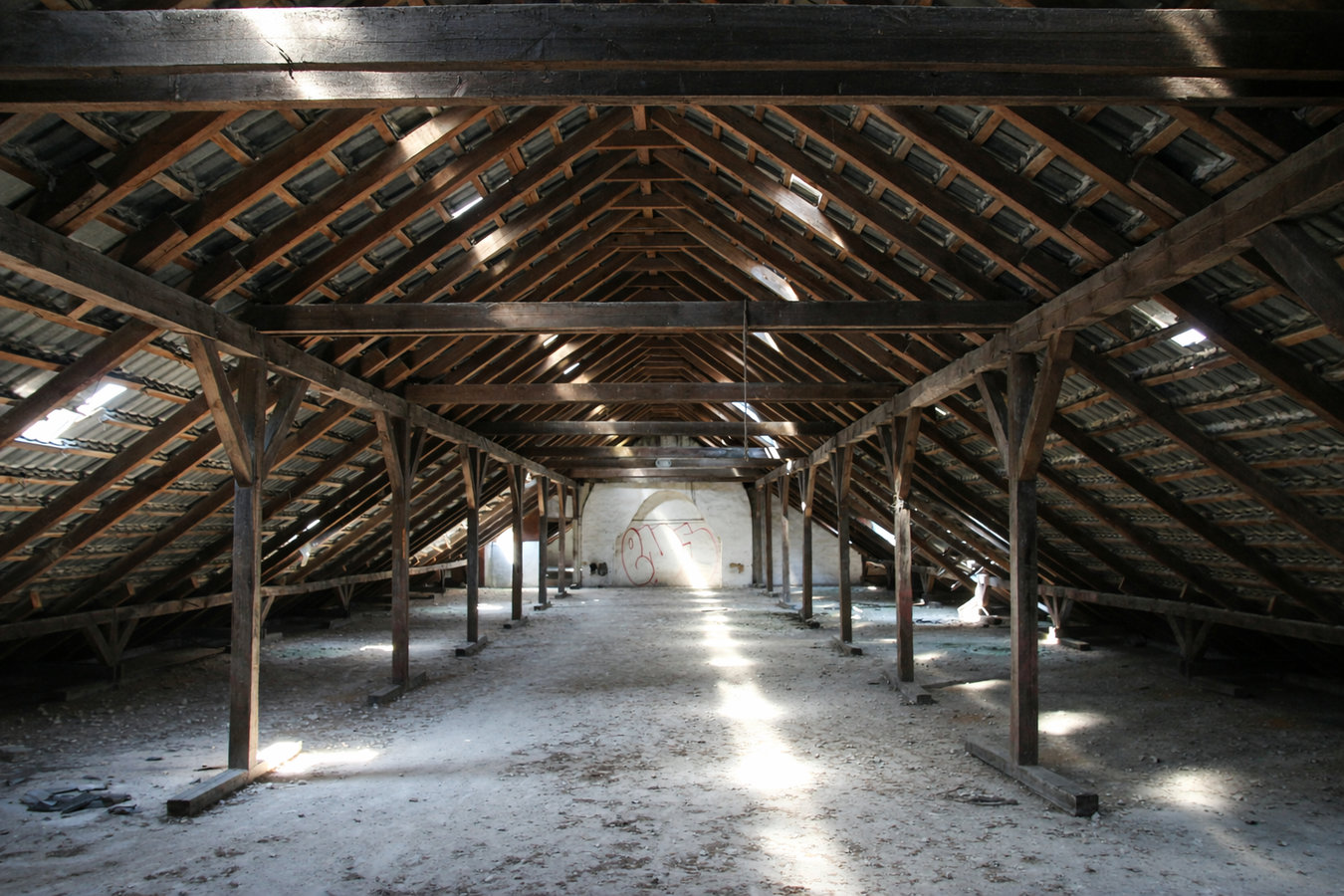
If you peek into your attic and the wooden framing is clearly visible above the insulation - or if the insulation looks thin, patchy, or compressed - you almost certainly do not have enough coverage. Insulation that has been compressed loses much of its effectiveness, and thin spots near the edges and corners are common in older installations.
In Hawaii's humid climate, inadequate attic ventilation combined with old or damaged insulation can trap moisture and lead to mold. If you notice a musty smell from your ceiling vents, or see water stains or discoloration after rain, it is worth having someone look at both your insulation and your attic ventilation before the problem gets worse.
We install blown-in loose-fill and batt insulation depending on your attic layout and what is already in place. Blown-in material is more common in Hawaii because it fills around trusses, pipes, and odd-shaped spaces without leaving gaps - and gaps are where heat sneaks through. We also offer blown-in insulation as a standalone service when the goal is topping up an existing layer that is performing poorly.
Every attic insulation job we do includes an air sealing step before any new material is added. Sealing the gaps around light fixtures, pipes, and the attic hatch is the step that most contractors skip - and it is the step that makes the biggest real-world difference in how your home feels. If you want a more comprehensive approach, attic air sealing is available as a dedicated service for homes that need a full-envelope assessment.
The go-to method for most Hawaii attics. Fills every corner and gap evenly - ideal for topping up thin existing coverage or for attics with complex framing.
Works well in attics with standard-spaced framing and clear, accessible runs. A good choice when coverage is starting from scratch in a clean space.
We seal gaps around light fixtures, pipes, and the attic hatch before adding insulation - because insulation on top of open air gaps never performs to its rated value.
When existing material is water-damaged, compressed, or contaminated, we remove it before adding fresh coverage so the new layer can perform correctly.
Kapolei gets more sun and higher daytime temperatures than most of Oahu because of its position on the dry, leeward side of the island. Attic temperatures here can climb well above 140 degrees on a sunny afternoon - and that heat radiates straight down into your living space if there is not enough material between you and the roof. Hawaii also has some of the highest residential electricity rates in the country, which means the payback period for attic insulation is much shorter here than it would be on the mainland. The upgrade pays for itself faster because every degree of heat you block translates directly into real dollar savings on your cooling bill.
We work throughout West Oahu, including homeowners in Ewa Beach and Waipio. We also walk every eligible homeowner through the Hawaii Energy rebate program before the work starts, so you do not leave money on the table that was yours to claim.
Call or submit a request online. We will get back to you within 1 business day. On the first call we ask a few quick questions - your home's size, when it was built, and any comfort or energy issues you have noticed. This first step takes about five minutes.
We visit and go up into the attic to see what is there - how much insulation is in place, whether it is in good condition, and whether there are any air gaps, moisture issues, or ventilation concerns. This visit typically takes 30 to 60 minutes, and we walk you through what we found before we leave.
You receive a written estimate covering scope, materials, and total cost. If you plan to apply for a Hawaii Energy rebate, we confirm whether your project qualifies and what documentation you will need - before the work begins, not after.
The crew seals air gaps first, then adds the insulation material. Most Kapolei homes take four to six hours. You can stay home during the job. Before we pack up, we walk you through the finished attic and confirm you have everything you need for any rebate application.
We respond within 1 business day. No obligation after the estimate - we assess your attic, tell you what we find, and give you a written quote. We also walk you through any Hawaii Energy rebates you may qualify for before we start.
(808) 556-0435You receive documentation covering the materials used and the R-value installed - paperwork that matters when you sell the home. We walk you through what we did before we leave, so nothing about the job is a mystery to you.
We are based in Kapolei and have worked on homes throughout West Oahu since 2020. We know the specific housing stock here - most homes in the planned subdivisions were built in a similar era with similar construction methods - and we know what the attics typically look like before we even open the hatch.
The most common shortcut contractors take is skipping the air sealing step. Insulation laid on top of open gaps will never perform to its rated value. We seal gaps around fixtures, pipes, and the attic hatch first - because that is the step that determines how much of the promised energy savings you actually see. The ENERGY STAR program recommends this combined approach for good reason.
Hawaii Energy offers rebates for qualifying attic insulation upgrades on Oahu, and many homeowners do not realize they are eligible until after the work is done. We walk you through the rebate process before we start - confirming whether your project qualifies, which contractor participation requirements apply, and what paperwork you will need to submit.
A properly installed attic - insulated, sealed, and ventilated - can meaningfully reduce how hard your AC works and how much you pay for it. Call (808) 556-0435 or visit our contact page to book a free in-home assessment.
Blown-in loose fill is the most common attic insulation method in Hawaii - it fills around trusses and odd-shaped spaces without leaving gaps where heat can sneak through.
Learn MoreAir sealing closes the gaps around light fixtures, pipes, and the attic hatch before insulation is added - the step that makes the biggest difference in real-world performance.
Learn MoreKapolei afternoons are hot all year - every month you wait is another month of electricity bills that a well-insulated attic could have reduced.