
Loading...
Serving Kapolei, HI and surrounding areas. (808) 556-0435
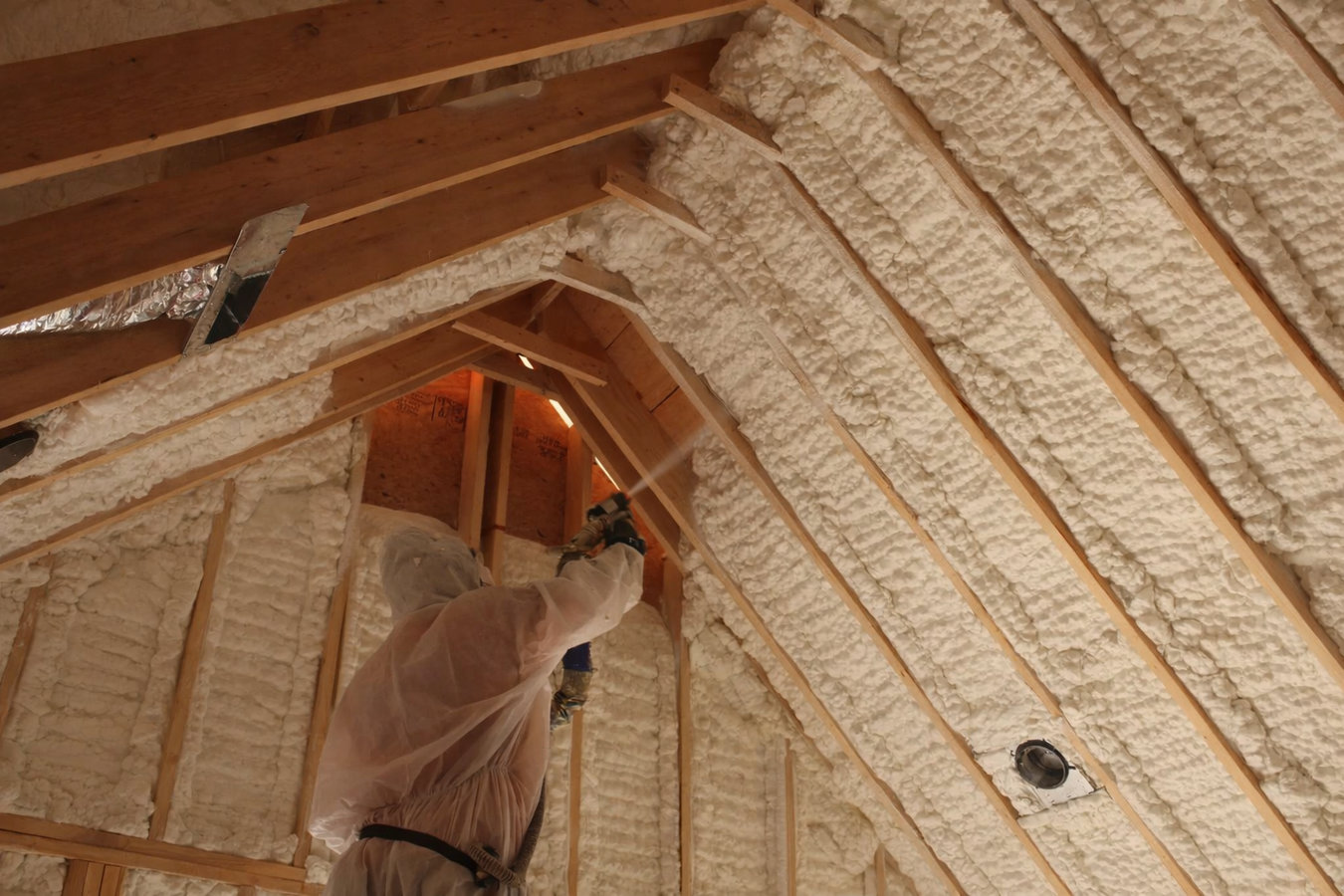
Older Kapolei homes lose comfort through gaps no batt can fill. Open-cell foam expands into every crack, seals your air leaks, and lets walls breathe in Hawaii's humid climate.
Open-cell foam insulation in Kapolei is a spray-applied, soft-set foam that fills every gap and crack on contact - most residential attic or single-story home jobs are completed in one day, and you plan to be out of the home for 24 to 48 hours while the foam cures.
Unlike fiberglass batts that sit between framing and leave gaps at every edge, open-cell foam expands after spraying to create a seamless air barrier across the entire surface. That matters in Kapolei, where the leeward heat is intense and even small gaps let warm air pour in all afternoon. The foam is also softer and more permeable than its closed-cell counterpart, which means moisture vapor can move through it rather than being trapped - a useful property in Hawaii's humid climate where trapping moisture inside walls can cause bigger problems than the heat itself. Many homes built here in the 1990s and early 2000s have minimal or degraded original insulation, and open-cell foam is one of the most efficient ways to bring them up to a standard that actually matches Kapolei's conditions.
Open-cell foam is one option within the broader category of spray foam insulation. Homeowners deciding between foam types can also read about closed-cell foam insulation - the denser, more moisture-resistant option - to understand which fits their specific application before committing.
Kapolei sits on the leeward side of Oahu and gets more direct sun than most of the island. If your air conditioner runs through the afternoon without ever getting the house comfortable, heat is almost certainly sneaking in through gaps in your attic or walls. On the leeward side, where trade wind cooling is limited, poor air sealing means your AC fights a constant losing battle against the sun above your roof.
If your bedroom or top-floor rooms are noticeably warmer than the living areas, the attic above them is not doing its job of blocking heat. This is common in Kapolei homes from the 1990s and early 2000s, where builders worked to older energy codes that required little or no attic insulation. Once that thin original layer compresses or degrades, the rooms below feel every degree of afternoon heat the roof absorbs.
Hawaiian Electric rates are among the highest in the country, so even a modest increase in how hard your AC runs shows up fast on your bill. If your usage habits have not changed but your monthly costs keep rising, poor insulation is one of the first things worth investigating. Heat entering through an under-sealed attic forces the cooling system to run longer cycles, and every extra cycle adds to your bill.
Hold your hand near an electrical outlet or light switch on an exterior wall during a hot afternoon. If you feel warmth or a faint draft, air is moving through gaps in your wall cavity - exactly the kind of infiltration open-cell foam is designed to stop. This is especially common in homes with wood-frame construction, where small gaps form over time around plumbing, wiring, and framing joints.
Open-cell foam works best in areas where the primary goal is air sealing and thermal performance, and where moisture vapor permeability is an asset rather than a concern - attic cavities, interior wall surfaces, and under-floor spaces in homes without persistent moisture problems. We inspect the space before any foam goes down, checking for existing moisture, mold, or structural issues that should be resolved first. The foam is applied in controlled passes and expands within seconds, filling gaps that rigid insulation or loose fill would leave open. Because it is soft and flexible once cured, it conforms to irregular shapes and does not pull away from framing the way fiberglass can over time. For homeowners who want to compare options, our spray foam insulation page covers both foam types and the applications where each performs best.
Open-cell foam is typically the more cost-effective spray foam choice for interior attic applications and whole-home air sealing projects. For applications requiring moisture resistance - such as crawl space walls, exterior-facing assemblies, or roof decks in Hawaii's salt-air environment - we may recommend closed-cell foam insulation instead, or a combination of both. If your project also involves commercial insulation, we handle both residential and commercial work and can coordinate a single assessment visit.
Suited to homes where the attic floor or roof deck needs a continuous air barrier and thermal layer - the most common application in Kapolei's older planned-subdivision homes.
For renovation projects where wall cavities are open - new additions, gutted rooms, or targeted repairs - open-cell foam seals and insulates in one step before drywall goes back up.
For homes with accessible crawl spaces or elevated floors where open-cell foam can improve comfort in ground-floor rooms by sealing the boundary between conditioned and unconditioned space.
For homeowners who want a comprehensive treatment - attic, walls, and crawl space addressed together - to get the full benefit of reducing air infiltration throughout the building envelope.
Kapolei was built largely on the leeward side of Oahu, away from the trade wind cooling that windward neighborhoods rely on. That means heat builds in attics faster and stays longer - and without those breezes, a poorly sealed home absorbs every degree the afternoon sun delivers. Most homes here were built between 1990 and 2010 to energy codes that set lower insulation requirements than what is standard today, so the gap between original performance and current need is real and measurable. Open-cell foam closes that gap efficiently because it fills every penetration, seam, and framing gap in a single visit rather than requiring multiple products and passes. Homeowners in Ewa Gentry and Makakilo face the same west-side heat dynamics, and we regularly service homes throughout both communities.
Hawaii's year-round humidity adds another layer to the insulation decision. Materials that trap moisture inside walls create conditions for mold - and mold remediation in a sealed wall cavity is far more disruptive and expensive than the insulation job that caused it. Open-cell foam allows vapor to pass through slowly, so walls can dry out naturally after rain or humidity events. That moisture-permeable quality is especially relevant in Kapolei's coastal environment, where salt air works into every gap and conventional insulation materials can degrade faster than their rated lifespan. The U.S. EPA guidance on spray polyurethane foam covers installation safety requirements including re-occupancy timing, and the Spray Polyurethane Foam Alliance sets installation quality standards our work is measured against.
Call or submit the contact form and we will respond within one business day. We will ask a few quick questions - home age, which areas you want addressed, and any comfort issues you have noticed - so we arrive at the estimate prepared rather than starting from scratch.
A technician visits to measure the space, check what insulation is already present, and look for moisture or mold that should be addressed before foam goes in. This visit is free and typically takes 30 to 60 minutes. Bring your questions - this is the time to ask them.
You receive a written estimate covering exactly which areas will be treated, the material and method, and the total cost - no surprises. If your job requires a City and County of Honolulu building permit, we handle the filing. You will not need to visit the permitting office yourself.
Most single-family Kapolei homes are completed in one day. The crew applies the foam, lets it expand and cure, then walks you through the finished work before they leave so you can see exactly what was done. You return home after the contractor confirms the curing period - typically 24 to 48 hours - is complete.
Get a free written estimate - no obligation, no pressure to commit the same day.
(808) 556-0435Kapolei was built as a planned community starting in the early 1990s, and most homes here were constructed to insulation standards that are well below what is expected today. We have assessed and insulated homes throughout these subdivisions and know what to look for - thin original batts, compressed fiberglass, and the specific framing gaps that this era of construction commonly left open.
Hawaii's humidity means we treat moisture assessment as a required step, not an optional one. We look for existing moisture or mold before any foam goes in, because sealing over a moisture problem creates a far bigger issue down the road. If we find something that needs to be addressed first, we tell you plainly and do not rush the job.
When a permit is required, we pull it through the City and County of Honolulu and coordinate the inspection. You receive documentation of the materials used and the work completed, so your project is on record if you ever sell or refinance.
You get a detailed written estimate that spells out the areas being treated, the material and application method, and the full cost. There is no pressure to sign on the spot. You have everything you need to compare contractors on your own schedule, and we do not change scope or price after the job has started without talking to you first.
These proof points matter because open-cell foam is a one-time investment - you want it done right the first time. A contractor who skips the moisture check, glosses over permit requirements, or gives you a vague verbal quote is leaving you exposed to problems that cost more to fix than the original job.
Insulation for retail spaces, offices, and commercial buildings across Kapolei - staged to minimize business disruption during installation.
Learn MoreAn overview of both open-cell and closed-cell spray foam options and the applications where each one performs best in Hawaii's climate.
Learn MoreKapolei's afternoon heat does not let up - the sooner your home is properly sealed, the sooner your AC stops fighting a losing battle. Call today or submit the form and we will be in touch within one business day.